
Sub-Total: kr0.00
The Modern Leader’s Guide
Today’s business landscape is a complex, ever-shifting terrain. It’s defined by rapid technological advancements, evolving workforce expectations, and a constant need for innovation. In this environment, the traditional leader, who relies on a top-down, command-and-control approach, is becoming obsolete. The modern leader, by contrast, thrives on adaptability, empathy, and a forward-thinking mindset. This is The Modern Leader’s Guide to navigating the new world of work.
From Command to Collaboration
The first and most significant shift for modern leaders is moving away from authoritarianism and toward collaboration. The old model centered power at the top, where the leader made all the decisions and employees followed orders. This stifled creativity and created a culture of fear. Today, the most effective leaders recognize that the collective intelligence of their team is their greatest asset. They create an environment where every voice is valued and employees feel empowered to contribute their ideas. This doesn’t mean a lack of direction; rather, it means the leader acts as a facilitator, guiding the team toward a shared vision while allowing for individual autonomy. The result is a more engaged, innovative, and resilient workforce.
Embracing AI and Technology
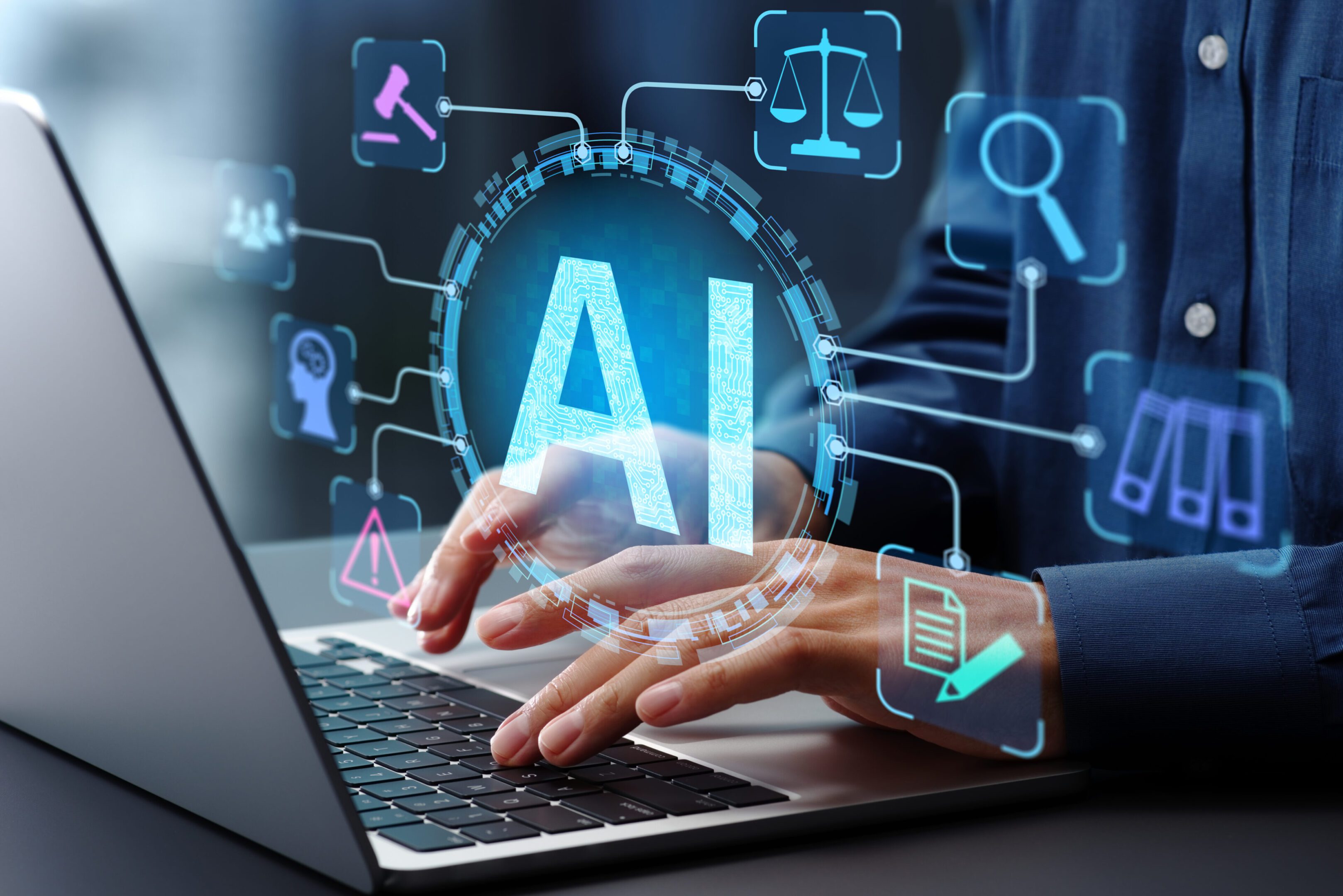
Technology is no longer just a tool for efficiency; it’s a fundamental part of the modern workplace. The advent of AI, in particular, presents both challenges and unprecedented opportunities. The modern leader doesn’t fear AI but instead embraces it. They understand that AI can automate repetitive tasks, provide powerful data insights, and even assist in coaching and development, such as with an AI coach like Eric. By integrating AI into their workflows, leaders can free up their teams to focus on high-level, creative, and strategic work that only humans can do. They champion a culture of continuous learning, ensuring their teams are skilled in using new technologies to their advantage.
Cultivating Emotional Intelligence and Empathy
In a world increasingly driven by data and automation, the human element becomes more critical than ever. The modern leader is not just a strategic thinker but also a highly emotionally intelligent individual. They possess a deep understanding of their own emotions and can empathize with the feelings of others. This is essential for building trust and creating a psychologically safe workplace. When a leader is empathetic, they can better understand the needs of their team, navigate conflict with grace, and provide support during difficult times. This human-centered approach fosters loyalty and creates a culture where people feel seen and valued, leading to better performance and lower turnover.
The Power of Quantum Leadership
Quantum leadership is a new paradigm that encapsulates the principles of modern leadership. It’s about moving beyond linear, cause-and-effect thinking and embracing a more holistic, interconnected view of the organization. It recognizes that an organization is a living, complex system where small changes can have a massive impact. This framework encourages leaders to be more adaptable, intuitive, and responsive to the subtle dynamics of their team and the market. Quantum leaders understand that their role is not just to manage but to inspire and create a collective consciousness that drives the organization forward. They use a blend of science, wisdom, and technology to unlock human potential and achieve global impact.
Driving Cultural Transformation
Culture is the invisible force that shapes an organization. For the modern leader, it’s not something that happens by chance; it’s something that is intentionally built and nurtured. This requires a commitment to transparency, a willingness to challenge the status quo, and a relentless focus on core values. The modern leader acts as a role model, embodying the culture they want to create. They celebrate successes, learn from failures, and are open about their own vulnerabilities. This builds a culture of trust and psychological safety, which is a prerequisite for innovation. A strong, positive culture attracts top talent and creates a competitive advantage that cannot be easily replicated.
The Journey of Continuous Learning
Finally, the modern leader understands that the journey of leadership is one of continuous learning. They are not afraid to be a student, constantly seeking new knowledge and skills. This might involve formal training, like becoming a certified coach, or informal learning, like reading books and engaging with their network. They are receptive to feedback and are always looking for ways to improve. This growth mindset not only benefits the leader themselves but also inspires their team to adopt a similar attitude toward personal and professional development.
In conclusion, modern leadership is not just a title—it’s a practice. It requires a fundamental shift in mindset from control to collaboration, from fear of technology to embracing it, and from a focus on tasks to a focus on people. By adopting these principles, leaders can create organizations that are not only successful but also human, resilient, and ready for the future.
